























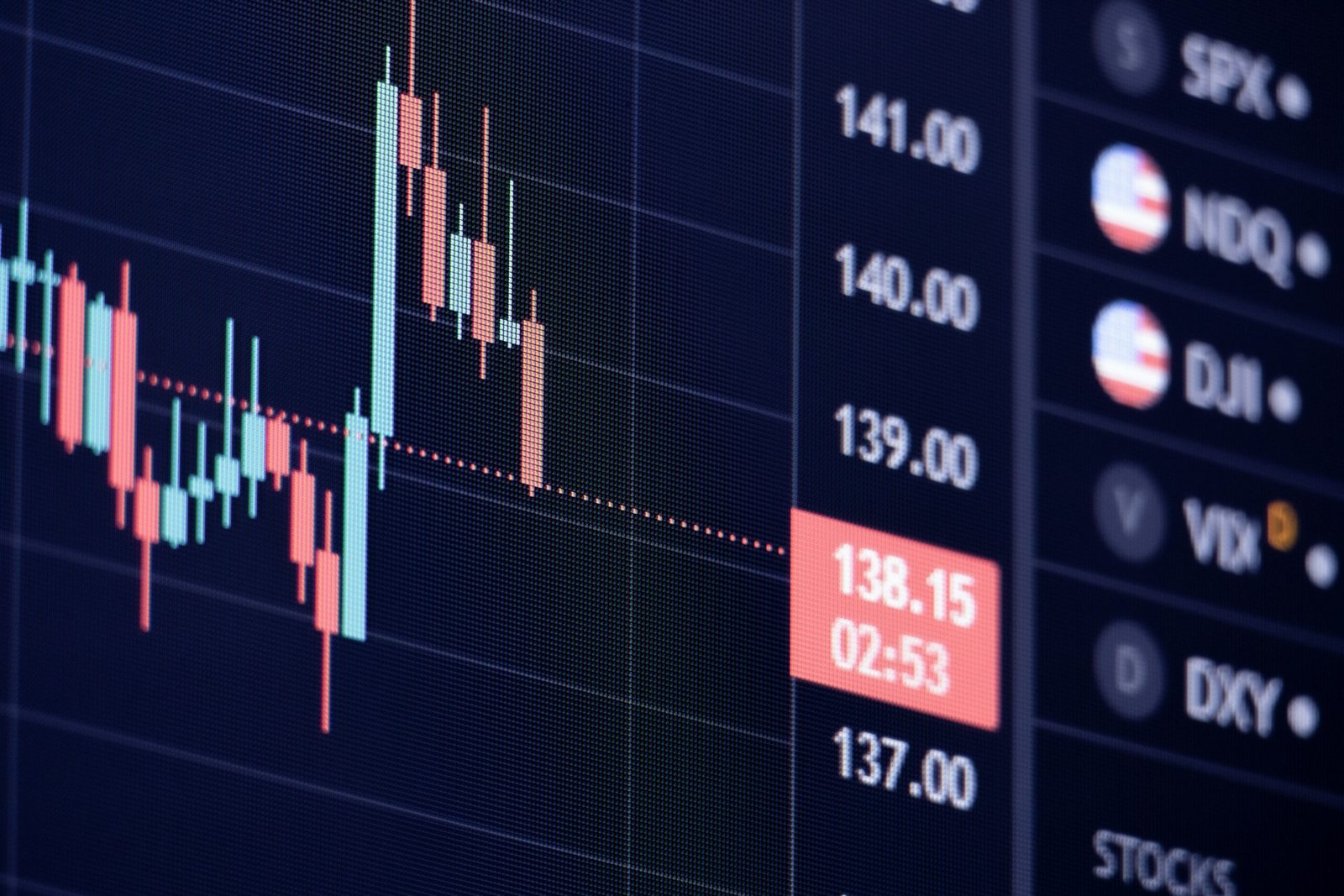
Contract for Difference (CFD) indices trading allows traders to speculate on the performance of entire industries or financial markets. Indices represent specific sectors, regions, or markets, providing exposure to groups of assets rather than individual securities.
Indices vary in how they weight components and calculate values. Each index has a base year and value based on its underlying assets. Changes in an index’s value are often more important than the absolute value, as they indicate market performance.
Key Points
- CFD indices trading allows speculation on market performance without owning the underlying assets.
- Index values are calculated using three main methods, which can affect market interpretation.
- Traders should be aware of risks, including high volatility and potential losses, and employ effective risk management strategies.
What are CFD indices?
CFD indices are financial instruments that let traders speculate on stock market index price movements without owning the underlying assets. Traders can take long or short positions, potentially earning returns in both rising and falling markets. Since indices are typically not directly tradable, CFDs offer a practical way to access these markets, with added flexibility and leverage.
How are indices calculated?
Indices use different calculation methods to reflect market performance. The three main approaches are:
- Market Capitalization Weighted Method: This method assigns weights based on market capitalization, giving larger companies a greater influence on the index’s performance.
- Price-Weighted Method: Here, companies are weighted by stock price, so higher-priced stocks have a greater impact on the index’s movements.
- Equal-Weighted Method: This method treats each company equally, regardless of size or stock price, offering a balanced perspective on market performance.
Popular Indices for CFD Trading
CFD trading is popular in global markets. Notable indices include:
S&P 500:
Represents 500 major U.S. companies and serves as a primary benchmark for large-cap U.S. equities.
NASDAQ 100 (US Tech 100):
Includes 100 of the largest non-financial companies on the NASDAQ, with a strong focus on technology and biotech sectors. This index often shows higher volatility.
Dow Jones Industrial Average (DJIA):
One of the oldest and most recognized indices, comprising 30 major U.S. companies. It is price-weighted, so higher-priced stocks have greater influence.
FTSE 100:
Tracks the top 100 companies on the London Stock Exchange by market capitalization and serves as a key indicator of the UK economy.
Advantages of CFD Indices Trading
Trading CFD indices provides several advantages, such as:
- Diversification across companies and industries helps reduce risk.
- Returns are based on overall index performance, enabling traders to benefit from broad market movements.
- The ability to short index CFDs in declining markets.
- Less need for detailed analysis, as the focus is on overall market trends rather than individual stocks.
- More trading opportunities during the day compared to direct stock trading.
Disadvantages of CFD Indices Trading
Despite these advantages, CFD indices trading involves specific risks:
- Traders do not own the stocks within the indices they trade.
- Although diversified, indices can still be volatile, and losses may exceed initial capital, particularly when leverage is used.
- Some countries, like the U.S., have banned CFD trading.
Effective Strategies for Trading Indices with CFDs
Consider the following strategies for trading index CFDs:
- Trend Following: Use technical indicators to identify market trends and trade in the same direction. Apply stop-loss orders to manage risk.
- Range Trading: Identify support and resistance levels using historical price data. Buy near support and sell near resistance, with tight stop-loss orders to control risk.
- News Trading: Monitor significant economic news that may affect index prices. Trade based on anticipated market reactions and closely manage positions for timely exits.
How to Trade Indices CFDs
- Choose a Broker: Select a broker that offers CFD index trading on a reliable platform. Consider leverage, spreads, reputation, customer support, fees, and deposit options.
- Open Your Position: Most platforms are user-friendly and make it easy to manage positions. You can go long or short depending on market conditions.
- Monitor Your Position: Regularly review your open positions. Use automated exit strategies or stop orders to limit potential losses.
CFD indices trading offers a flexible way to speculate on market movements without owning underlying assets. Understanding how CFD indices work enables traders to apply effective strategies in both rising and falling markets.
References
- “How do index CFDs work? | Indices 101 – FlowBank.” . https://www.flowbank.com/en/research/how-do-index-cfds-work-indices-101 . Accessed 7 Apr 2022.
- CFD Indices: Overview, How It Works and How To Trade | Vantage https://www.vantagemarkets.io/academy/cfd-indices/
- What is Nasdaq 100 Index Futures – stockmarketcourseinraipur https://stockmarketcourseinraipur.in/2025/03/nasdaq-100/
Check out our Trading Articles